Introduction
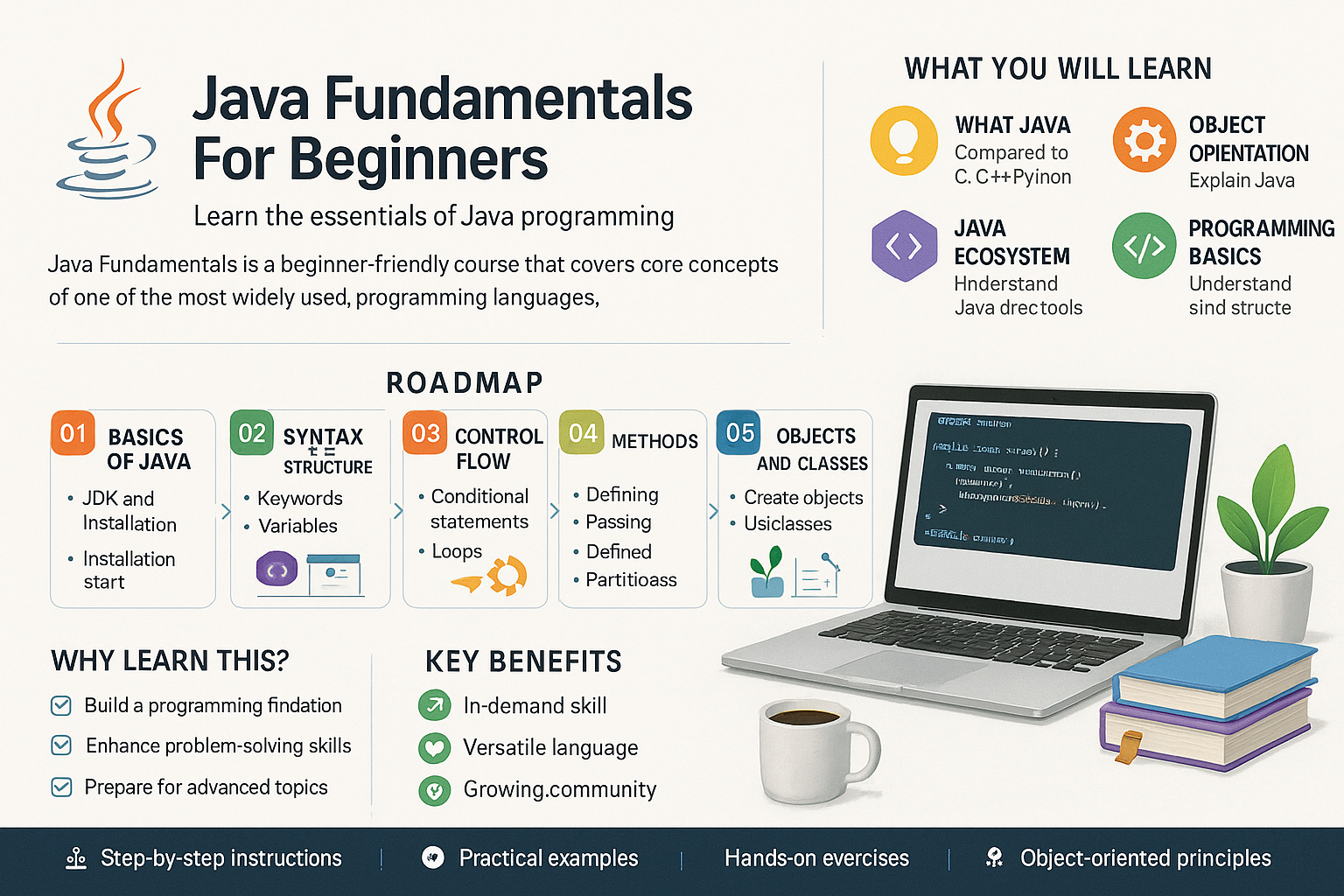
In this lesson, we will delve into the best practices for writing clean code in Java. Clean code is essential for maintaining readability, efficiency, and ease of updates in programming. Given that you are already familiar with the foundational aspects of Java from previous lessons, we'll focus on practical implementations of clean coding principles, including naming conventions, formatting, effective commenting, and regular refactoring.
Understanding Clean Code Principles
Clean code can be defined as code that is easy to read, understand, and maintain. It enhances collaboration between developers and ensures that the code can be modified with minimal issues. The key principles include:
- Readability: Code should be easily understandable at a glance.
- Manageability: Future updates and debugging should be easy.
- Consistency: Adhere to naming and formatting conventions.
Naming Conventions in Java
Choosing appropriate names for variables and methods is a vital aspect of clean coding. Good naming helps convey the purpose of the code.
Variables
- Use camelCase for variable names (e.g.,
userName,totalAmount). - Be descriptive but concise (e.g.,
itemCountinstead ofic).
Methods
- Use verb phrases for method names (e.g.,
calculateTotal(),fetchData()). - Include context for clarity (e.g.,
getUserById(int id)).
Consistent Formatting for Readability
Proper formatting not only enhances readability but also minimizes confusion. Here are some key formatting tips:
- Indentation: Use 4 spaces (or a tab) for indentation to maintain a consistent layout.
- Line Length: Limit lines to 80-120 characters for easy readability.
- Whitespace: Use blank lines to separate logical sections of code.
Example Code
public class UserData {
    private String userName;
    private int userAge;

    public UserData(String userName, int userAge) {
        this.userName = userName;
        this.userAge = userAge;
    }

    public void displayInfo() {
        System.out.println("User: " + userName + ", Age: " + userAge);
    }
}
Effective Commenting
While code should generally convey its purpose through its structure, certain complex or non-obvious logic may require comments. Here are guidelines for effective commenting:
- Explain the Why: Focus comments on explaining the reasoning behind complex logic rather than what the code is doing.
- Use Javadoc: For methods and classes, utilize Javadoc format to generate API documentation.
Example Code
/**
 * This method calculates the total price with a given discount.
 * The discount is a percentage value ranging from 0 to 100.
 *
 * @param price Original price of the item
 * @param discountPercentage Discount to apply
 * @return Total price after discount
 */
public double calculateDiscountedPrice(double price, double discountPercentage) {
    // Ensure discountPercentage is not negative
    if (discountPercentage < 0) {
        throw new IllegalArgumentException("Discount cannot be negative");
    }
    return price - (price * discountPercentage / 100);
}
Regular Refactoring for Maintainability
Refactoring is the process of restructuring your existing code without altering its external behavior. Regularly refactoring can enhance the clarity and efficiency of your code, making it easier to implement new features.
- Identify duplicated code and extract common logic into methods.
- Break down large methods into smaller, more manageable ones.
- Optimize performance where necessary by reviewing algorithms.
Example
// Before Refactoring
public void printUserDetails(String name, String role) {
    System.out.println(name + " is a " + role);
    System.out.println("Details of: " + name);
}

// After Refactoring
public void printUserDetails(String name, String role) {
    printBasicInfo(name, role);
    printDetailedInfo(name);
}

private void printBasicInfo(String name, String role) {
    System.out.println(name + " is a " + role);
}

private void printDetailedInfo(String name) {
    System.out.println("Details of: " + name);
}
Summary / Key Takeaways
In this lesson on Writing Clean Code in Java, you have learned:
- Importance of Clean Code: Clean code improves readability, maintainability, and collaboration.
- Naming Conventions: Use descriptive names for variables and methods to enhance understanding.
- Consistent Formatting: Adhere to formatting rules for better code structure.
- Effective Comments: Use comments sparingly and focus on the rationale behind complex logic.
- Regular Refactoring: Make it a practice to refactor code to eliminate complexity and improve clarity.