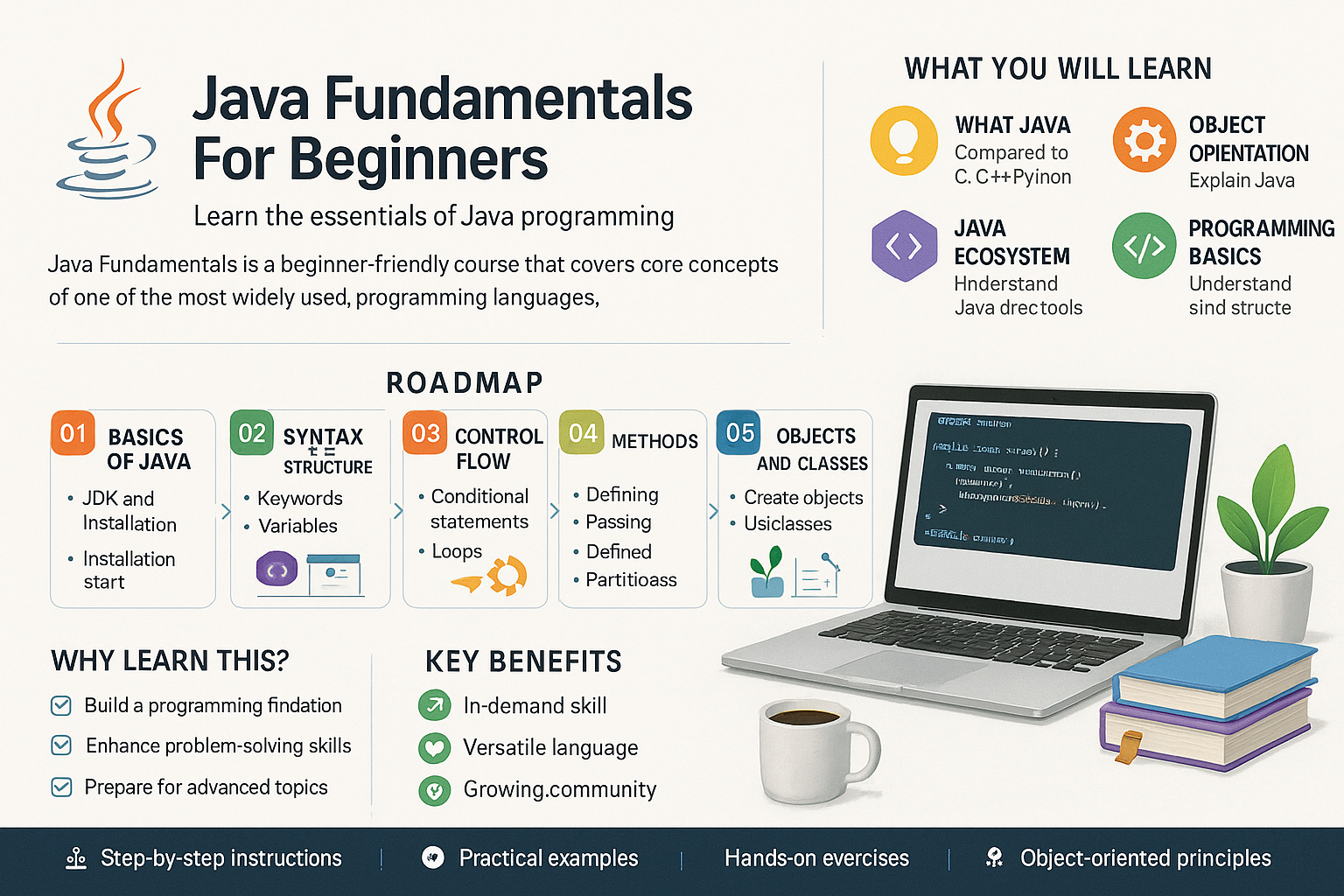
Introduction
This lesson focuses on the importance of documentation and comments in Java programming, a crucial aspect that enhances code readability, maintenance, and collaborative development. By effectively documenting your code and utilizing comments, you make it easier for yourself and others to understand the purpose and functionality behind your code. This lesson covers the best practices in writing inline comments, utilizing Javadoc for API documentation, creating meaningful names for variables and methods, and adhering to standard commenting conventions for maintainable code.
Understanding the Importance of Documentation in Java Projects
Documentation in Java projects is essential for several reasons:
- Clarity: It clarifies the purpose and functionality of code, enabling developers to quickly grasp complex logic.
- Collaboration: It fosters collaboration among team members by providing context to code changes, which is beneficial in larger projects.
- Maintenance: It facilitates future maintenance, allowing developers to efficiently update or debug the code base.
Writing Effective Inline Comments for Clarity
Inline comments are brief explanations added directly to the code, which help clarify the logic behind complex code snippets. Here’s how to write effective comments:
- Be Concise: Keep comments short and relevant.
- Explain Why, Not What:: Comments should explain the reasoning behind a specific coding choice, not rehash what the code is doing (which should be evident from the code itself).
Example:
public int factorial(int num) {
    // Calculate factorial recursively
    if (num == 0) return 1; // Base case
    return num * factorial(num - 1); // Recursive case
}
Output: The factorial function calculates the factorial of a number recursively. The comments explain the base case and recursive calls without redundantly explaining the process.
Exploring Javadoc for Generating API Documentation
Javadoc is a powerful tool in Java for creating HTML documentation from comments embedded within the source code. It allows you to provide structured documentation for public classes, methods, and fields directly from the comments.
Key Components to Use Javadoc Effectively:
- @param: Documents method parameters.
- @return: Describes return values.
- @throws: Indicates exceptions thrown by a method.
Example:
/**
 * Calculates the quotient of two numbers.
 * @param dividend the number to be divided
 * @param divisor the number by which to divide
 * @return quotient of the division
 * @throws ArithmeticException if divisor is zero
 */
public double divide(double dividend, double divisor) {
    if (divisor == 0) {
        throw new ArithmeticException("Divisor cannot be zero");
    }
    return dividend / divisor;
}
Output: The Javadoc comment creates a clear description for those using the divide method, outlining parameters, return type, and exceptions.
Mastering the Use of Meaningful Variable and Method Names
Using meaningful names significantly aids understanding and maintaining code. Here are some best practices:
- Be Descriptive: Use clear and descriptive names. For instance, prefer
totalAmountoverta. - Follow Conventions: Use camelCase for variable names and PascalCase for class names.
Example:
public class ShoppingCart {
    private double totalAmount;
    private List<Item> items;

    public void addItem(Item item) {
        items.add(item);
        totalAmount += item.getPrice();
    }
}
Output: The class and method names are meaningful, enhancing the readability and understanding of their function.
Implementing Standard Commenting Conventions for Maintainable Code
Standard commenting conventions enhance code quality and consistency. Here are the key conventions:
- Block Comments: Use block comments for main sections of code, while inline comments should be concise.
- Single-Line Comments: Prefer single-line comments for simple explanations.
- Legal Comments: Include copyright notices and licensing terms at the top of your files.
Example:
/**
 * This class handles operations related to user accounts.
 * Copyright (c) 2023 Example Corp. All rights reserved.
 */
public class UserAccount {
    // User's unique identifier
    private String userID;

    // User's password
    private String password;
}
Output: The example shows a good commenting style with well-defined block comments and concise inline comments, ensuring maintainability.
Summary / Key Takeaways
In this lesson on Documentation and Comments, you have learned:
- Importance of Documentation: Documentation is crucial for clarity, collaboration, and maintenance in Java projects.
- Effective Inline Comments: Comments should be concise and explain the reasoning behind the code.
- Utilizing Javadoc: Javadoc provides a structured way to generate API documentation directly from code comments.
- Meaningful Naming: Using clear, meaningful names for variables and methods greatly enhances code readability.
- Standard Commenting Conventions: Adhering to standard commenting conventions promotes code quality and maintainability.